
 Algeria
 Benin
Benin Botswana
 Burkina-faso
 Burundi
 Cameroon
 Central African Republic
 Chad
Chad Congo (Democratic Republic of)
 Congo Republic
 Egypt
Egypt Eswatini
 Gabon
Gabon Ghana
Ghana Guinea-Bissau
 Ivory Coast
 Jamaica
 Kenya
Kenya Lesotho
 Liberia
 Libya
Libya Madagascar
 Malawi
 Mali
Mali Mauritius
 Mayotte
 Morocco
 Mozambique
 Niger
Niger Nigeria
 Republic of Rwanda
 Senegal
 Seychelles
 Sierra Leone
 South Africa
 Sudan
Sudan Tanzania
 Tunisia
 Uganda
 Zambia
 Anguilla
 Antigua and Barbuda
 Argentina
 Aruba
Aruba Bahamas
 Barbados
 Belize
 Bermuda
 Bolivia
 Brazil
 Canada
 Chile
Chile Colombia
 Costa Rica
 Curacao
 Dominica
 Dominican
 Ecuador
 El Salvador
 Greenland
 Grenada
 Guadeloupe
 Guatemala
 Guyana
 Haiti
Haiti Hawaii
 Honduras
 Martinique
 Mexico
 Montserrat
 Nicaragua
 Panama
 Paraguay
 Peru
Peru Puerto Rico
 Saint Barthelemy
 Saint Kitts and Nevis
 Saint Lucia
 Saint Martin
 Saint Vincent
 Sint Maarten
 Suriname
 Trinidad and Tobago
 United States
 Uruguay
 Venezuela
 Afghanistan
 Armenia
 Azerbaijan
 Bahrain
 Bangladesh
 Bhutan
 Brunei
 Cambodia
 China
China Dubai UAE
 Georgia
 Hongkong
 India
India Indonesia
 Iran
Iran Iraq
Iraq Israel
 Japan
Japan Jordan
 Kazakhstan
 Kuwait
 Kyrgyzstan
 Laos
Laos Macau
Macau Malaysia
 Maldives
 Mongolia
 Nepal
Nepal Oman
Oman Pakistan
 Palestine
 Philippines
 Qatar
Qatar Saudi Arabia
 Singapore
 South Korea
 Sri Lanka
 Taiwan
 Tajikistan
 Thailand
 Tibet (China)
 Uzbekistan
 Vietnam
 Yemen
Yemen Albania
 Andorra
 Austria
 Azores
 Belarus
 Belgium
 Bosnia and Herzegovina
 Bulgaria
 Corsica
 Croatia
 Cyclades
 Cyprus
 Czechia
 Denmark
 Estonia
 Finland
 France
 Germany
 Gibraltar
 Greece
 Guernsey
 Hungary
 Iceland
 Ireland
 Isle of Man
 Italy
Italy Jersey
 Kosovo
 Latvia
 Liechtenstein
 Lithuania
 Luxembourg
 Macedonia
 Malta
Malta Moldova
 Monaco
 Montenegro
 Netherlands
 Norway
 Poland
 Portugal
 Rhodes
 Romania
 Russia
 San Marino
 Sardinia
 Scotland
 Serbia
 Sicily
 Slovakia
 Slovenia
 Spain
Spain Svalbard and Jan Mayen
 Sweden
 Switzerland
 The Vatican City State
 Turkey
 Ukraine
 United Kingdom
 Wales
Wales Australia
 Fiji
Fiji Guam
Guam Nauru
Nauru New Zealand
 Papua New Guinea
 Saipan
 Tonga
Tonga Vanuatu
 Western Samoa
 Africa
 Africa 6-Country
 Americas
 Caribbean & South America 35-Country
 Latin America 6-Country
 North America 6-Country
 USA & Mexico
 USA Canada Mexico
 Asia
Asia Asia 19-Country
 Asia Pacific 15-Country
 Caucasus Mountains 3-Country
 Central Asia 4-Country
 China Hongkong Macau
 Singapore Malaysia
 Europe
 Balkan Region 12-Country
 Europe 33-Country
 Europe 49-Country
 UK & Ireland
 Global
 Global 108-Country
 Global 156-Country
 Global 45-Country
 Global 87-Country
 Oceania


Stay connected in Argentina with reliable internet for maps, photos, and communication. Discover the best ways to stay online during your adventure.
Argentina, a land of breathtaking landscapes from the majestic Andes to the vibrant streets of Buenos Aires, offers an unforgettable travel experience. However, staying connected can sometimes be a concern, especially when navigating unfamiliar territories. Whether you need to share your stunning photos, use maps, or simply stay in touch with loved ones, having reliable internet access is crucial. This guide breaks down the best ways to stay online during your Argentine adventure.
Coverage & Connectivity Across the Country
Argentina's internet infrastructure has improved significantly, particularly in major cities. In urban centers like Buenos Aires, Córdoba, Rosario, and Mendoza, you'll generally find good 4G LTE coverage with decent speeds from the main providers: Movistar, Claro, and Personal. These networks offer reliable service for browsing, streaming, and video calls.
However, as you venture into more rural or remote areas, such as Patagonia, the Quebrada de Humahuaca, or some parts of the Andes, connectivity can become sparse or even non-existent. While tourist hotspots usually have some form of internet, don't expect seamless 4G everywhere outside metropolitan zones. It's wise to download maps offline and have alternative communication plans if you plan to explore very remote regions.
Your Best Options to Stay Online
To ensure you're always connected, consider one of these popular methods:
1. Local SIM Card
Purchasing a local SIM card is often the most cost-effective way to get reliable data and a local phone number in Argentina.
- How it Works: You replace your home country's SIM card with an Argentine one, which comes with a pre-loaded data plan.
- Pros:
- Affordable: Data plans are generally inexpensive compared to international roaming.
- Local Number: Useful for making local calls, booking tours, or contacting accommodations.
- Good Coverage: Excellent in urban areas and along main travel routes.
- Cons:
- Unlocked Phone Required: Your phone must be unlocked to accept a new SIM card.
- Registration Process: You'll need your passport to register the SIM, which can sometimes be a bit of a bureaucratic process or require some Spanish phrases.
- Physical Exchange: You lose access to your home number while the local SIM is active (unless you have a dual-SIM phone).
- Where to Buy: You can purchase SIM cards at official provider stores (Movistar, Claro, Personal) in airports or major cities. Sometimes, kiosks also sell them, but activation might be trickier there.
- Recommendation: Claro and Movistar are generally considered to have the best overall coverage, with Personal also being a strong contender.
2. Portable Wi-Fi (Pocket Wi-Fi)
A portable Wi-Fi device, often called a MiFi or pocket Wi-Fi, creates a personal Wi-Fi hotspot that multiple devices can connect to.
- How it Works: You rent or buy a small, battery-powered device that uses a local cellular signal to broadcast Wi-Fi.
- Pros:
- Multiple Devices: Great for families or groups as several phones, tablets, or laptops can connect simultaneously.
- Convenience: Ready to use upon arrival, no SIM card swapping.
- Security: More secure than using public Wi-Fi networks.
- Cons:
- Additional Device: Another gadget to carry and keep charged.
- Rental Costs: Can be more expensive than a local SIM card, especially for longer trips.
- Battery Life: Runs on limited power and needs frequent recharging.
- Where to Rent: Several international and local companies offer portable Wi-Fi rentals that can be delivered to your accommodation or picked up at airports. Search online for "Argentina pocket Wi-Fi rental."
3. Public Wi-Fi
Free Wi-Fi is widely available in many tourist-friendly locations throughout Argentina.
- How it Works: Connect to public Wi-Fi networks offered by businesses or municipalities.
- Pros:
- Free: The most budget-friendly option.
- Widespread: Available in hotels, hostels, cafes, restaurants, shopping malls, and sometimes even public squares (Plazas).
- Cons:
- Security Risks: Using public networks can put your data at risk of being intercepted. It's highly recommended to use a Virtual Private Network (VPN) for any sensitive transactions.
- Unreliable Speeds: Quality and speed can vary greatly, especially during peak times.
- Limited Availability: Not always available when you need it most, particularly while on the move or in rural areas.
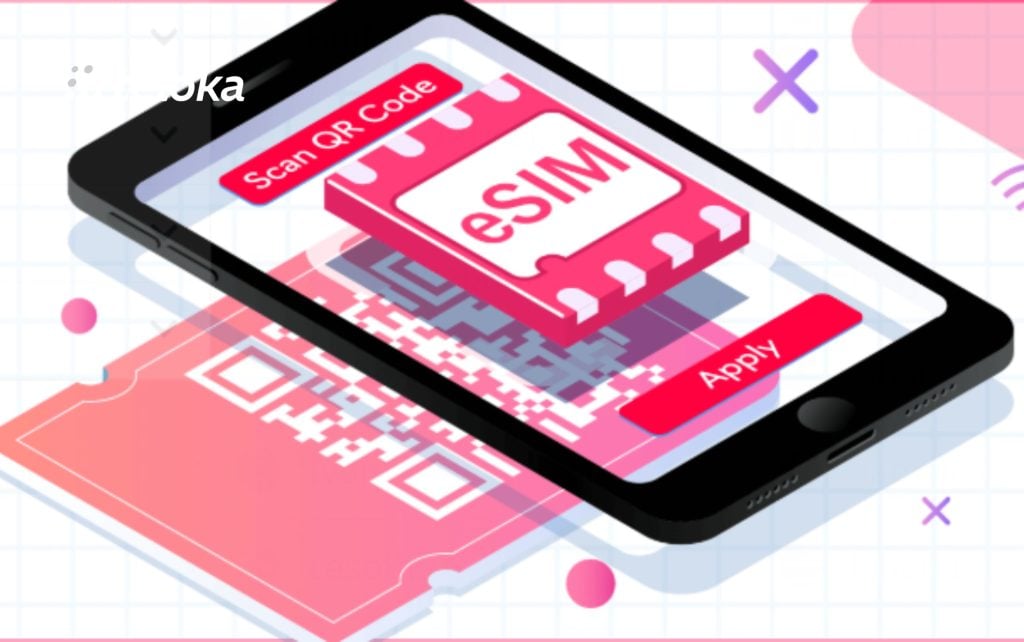
4. Argentina eSIM
- How it Works: You purchase a data plan online, and it's downloaded directly to your eSIM-compatible phone.
- Pros:
- Ultimate Convenience: No need to swap physical SIM cards; activate and connect within minutes.
- Keep Your Home Number: You can typically keep your primary SIM active for calls/texts while using the eSIM for data.
- Flexible Plans: A variety of data packages are available for different durations and usage needs.
- Eco-Friendly: Produces no plastic waste.
- Cons:
- Device Compatibility: Requires an eSIM-compatible smartphone (most newer iPhone, Samsung Galaxy, Google Pixel models).
- Data Only: Most tourist eSIM plans are data-only, meaning no local phone number for calls/texts.
- Potentially Higher Cost: Can sometimes be slightly more expensive than a local physical SIM, but the convenience often outweighs the cost.
- Where to Buy: Purchase online from providers Teloka .
Your Best Options to Stay Online
To ensure you're always connected, consider one of these popular methods:
1. Local SIM Card
Purchasing a local SIM card is often the most cost-effective way to get reliable data and a local phone number in Argentina.
How it Works: You replace your home country's SIM card with an Argentine one, which comes with a pre-loaded data plan.
Pros:
- Affordable: Data plans are generally inexpensive compared to international roaming.
- Local Number: Useful for making local calls, booking tours, or contacting accommodations.
- Good Coverage: Excellent in urban areas and along main travel routes.
Cons:
- Unlocked Phone Required: Your phone must be unlocked to accept a new SIM card.
- Registration Process: You'll need your passport to register the SIM, which can sometimes be a bit of a bureaucratic process or require some Spanish phrases.
- Physical Exchange: You lose access to your home number while the local SIM is active (unless you have a dual-SIM phone).
Where to Buy: You can purchase SIM cards at official provider stores (Movistar, Claro, Personal) in airports or major cities. Sometimes, kiosks also sell them, but activation might be trickier there.
Recommendation: Claro and Movistar are generally considered to have the best overall coverage, with Personal also being a strong contender.
2. Portable Wi-Fi (Pocket Wi-Fi)
A portable Wi-Fi device, often called a MiFi or pocket Wi-Fi, creates a personal Wi-Fi hotspot that multiple devices can connect to.
How it Works: You rent or buy a small, battery-powered device that uses a local cellular signal to broadcast Wi-Fi.
Pros:
- Multiple Devices: Great for families or groups as several phones, tablets, or laptops can connect simultaneously.
- Convenience: Ready to use upon arrival, no SIM card swapping.
- Security: More secure than using public Wi-Fi networks.
Cons:
- Additional Device: Another gadget to carry and keep charged.
- Rental Costs: Can be more expensive than a local SIM card, especially for longer trips.
- Battery Life: Runs on limited power and needs frequent recharging.
Where to Rent: Several international and local companies offer portable Wi-Fi rentals that can be delivered to your accommodation or picked up at airports. Search online for "Argentina pocket Wi-Fi rental."
3. Public Wi-Fi
Free Wi-Fi is widely available in many tourist-friendly locations throughout Argentina.
How it Works: Connect to public Wi-Fi networks offered by businesses or municipalities.
Pros:
- Free: The most budget-friendly option.
- Widespread: Available in hotels, hostels, cafes, restaurants, shopping malls, and sometimes even public squares (Plazas).
Cons:
- Security Risks: Using public networks can put your data at risk of being intercepted. It's highly recommended to use a Virtual Private Network (VPN) for any sensitive transactions.
- Unreliable Speeds: Quality and speed can vary greatly, especially during peak times.
- Limited Availability: Not always available when you need it most, particularly while on the move or in rural areas.
4. Argentina eSIM
How it Works: You purchase a data plan online, and it's downloaded directly to your eSIM-compatible phone.
Pros:
- Ultimate Convenience: No need to swap physical SIM cards; activate and connect within minutes.
- Keep Your Home Number: You can typically keep your primary SIM active for calls/texts while using the eSIM for data.
- Flexible Plans: A variety of data packages are available for different durations and usage needs.
- Eco-Friendly: Produces no plastic waste.
Cons:
- Device Compatibility: Requires an eSIM-compatible smartphone (most newer iPhone, Samsung Galaxy, Google Pixel models).
- Data Only: Most tourist eSIM plans are data-only, meaning no local phone number for calls/texts.
- Potentially Higher Cost: Can sometimes be slightly more expensive than a local physical SIM, but the convenience often outweighs the cost.
Where to Buy: Purchase online from providers Teloka .
How to Choose the Best Internet Option for Your Trip
Selecting the ideal way to stay online depends on your specific travel style and needs:
- Duration of Stay: For short trips (1-7 days), an eSIM offers unparalleled convenience. For longer stays (over a week), a local SIM card might be more cost-effective.
- Data Needs: If you're a heavy data user (streaming, video calls, remote work), a local SIM or eSIM with ample data is best. Light users might get by with public Wi-Fi and occasional data top-ups.
- Number of Travelers/Devices: If traveling with family or multiple devices, a portable Wi-Fi device can be a great solution, ensuring everyone stays connected.
- Areas You'll Visit: If you plan to explore remote regions, research the coverage of specific carriers. A local SIM from Movistar or Claro might offer the best chance of sporadic connectivity, but manage expectations.
- Phone Compatibility: If your phone isn't eSIM compatible, a local SIM card or portable Wi-Fi are your main options. If it is, the eSIM is a strong contender for ease of use.
- Convenience vs. Cost: For ultimate convenience and immediate connectivity upon arrival, an eSIM or portable Wi-Fi is excellent. For the lowest cost and a local number, a local SIM is superior, but requires a bit more effort.
By considering these factors, you can make an informed decision and enjoy seamless connectivity throughout your incredible journey across Argentina. ¡Buen viaje!