
 Australia
 China
China Hongkong
 India
India Indonesia
 Japan
Japan Singapore
 South Korea
 Spain
Spain Thailand
 United States
 Vietnam
 Africa
 Africa 21-Country
 Africa 6-Country
 Americas
 Caribbean & South America 35-Country
 North America 6-Country
 South America 8-Country
 USA & Mexico
 USA Canada Mexico
 Asia
Asia Asia 12-Country
 Asia Pacific 15-Country
 Caucasus Mountains 3-Country
 Central Asia 4-Country
 China Hongkong Macau
 Singapore Malaysia
 Europe
 Balkan Region 12-Country
 Europe 33-Country
 Europe 49-Country
 UK & Ireland
 Global
 Global 108-Country
 Global 156-Country
 Global 45-Country
 Global 87-Country
 Oceania


Discover Costa Rica’s lush rainforests, pristine beaches, and rich biodiversity. Plan your trip to this “Pura Vida” paradise for adventure and relaxation.
Costa Rica, a jewel of Central America, is a vibrant tapestry of lush rainforests, pristine beaches, active volcanoes, and an unparalleled commitment to biodiversity. Known for its "Pura Vida" (pure life) motto, it offers an escape into nature where adventure and relaxation coexist. Planning a trip to this ecological paradise requires a bit of foresight, but with the right information, you're set for an unforgettable journey.
Planning Your Trip to Costa Rica
Embarking on a Costa Rican adventure starts with solid preparation. Understanding the best time to visit, financial considerations, and essential packing will lay the groundwork for a smooth trip.
Best Time to Visit
Costa Rica has two primary seasons:
- Dry Season (December to April): Characterized by sunny skies and less rain, making it ideal for beach activities, hiking, and exploring. However, it's also the peak tourist season, leading to higher prices and larger crowds.
- Green Season (May to November): Also known as the rainy season, this period sees daily afternoon showers, which keep the landscape incredibly lush and vibrant. Mornings are often sunny, and you'll find fewer crowds and lower prices. This is an excellent time for rafting and wildlife spotting, as many animals are more active.
Visa Requirements
For many nationalities, including citizens of the United States, Canada, and most European countries, a visa is not required for tourist stays of up to 90 days. However, you will need a valid passport (with at least 6 months' validity remaining), a return ticket, and proof of sufficient funds for your stay. Always check the official requirements for your specific nationality before traveling. A good resource for official information is the Costa Rica Tourism Board .
Budgeting for Your Trip
Costa Rica can cater to various budgets, from backpacker-friendly hostels to luxurious eco-lodges.
- Accommodation: Expect to pay $30-70 for budget hostels/guesthouses, $80-200 for mid-range hotels, and $250+ for luxury resorts per night.
- Food: Local eateries (sodas) offer delicious and affordable meals (casados) for $5-10. Mid-range restaurants might cost $15-30 per person, while fine dining can be $40+.
- Activities: Tours and adventure sports are a significant part of the Costa Rican experience. Ziplining, whitewater rafting, volcano tours, and national park entries typically range from $30-100+ per activity.
- Transportation: Varies greatly depending on your chosen method (see "Getting Around")
Top Destinations & Activities in Costa Rica
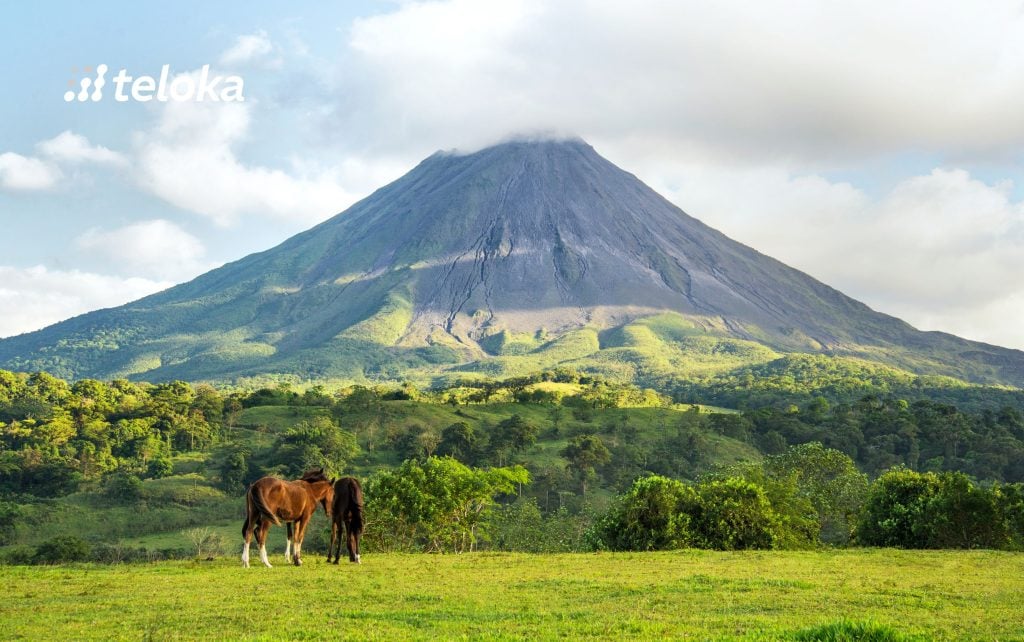
- La Fortuna & Arenal Volcano: Home to the majestic Arenal Volcano, this region offers thrilling activities like zip-lining, whitewater rafting, waterfall rappelling, and relaxing in natural hot springs heated by the volcano. Don't miss the La Fortuna Waterfall.
- Monteverde Cloud Forest: Experience the magic of a cloud forest, where mist clings to the trees, creating an ethereal atmosphere. Explore hanging bridges high above the canopy, go birdwatching (look for the resplendent quetzal!), and soar through the treetops on thrilling zip-line adventures.
- Manuel Antonio National Park: A perfect blend of stunning white-sand beaches, lush rainforest, and abundant wildlife. Monkeys, sloths, iguanas, and a myriad of birds are easily spotted. It's a popular spot for both relaxation and wildlife photography.
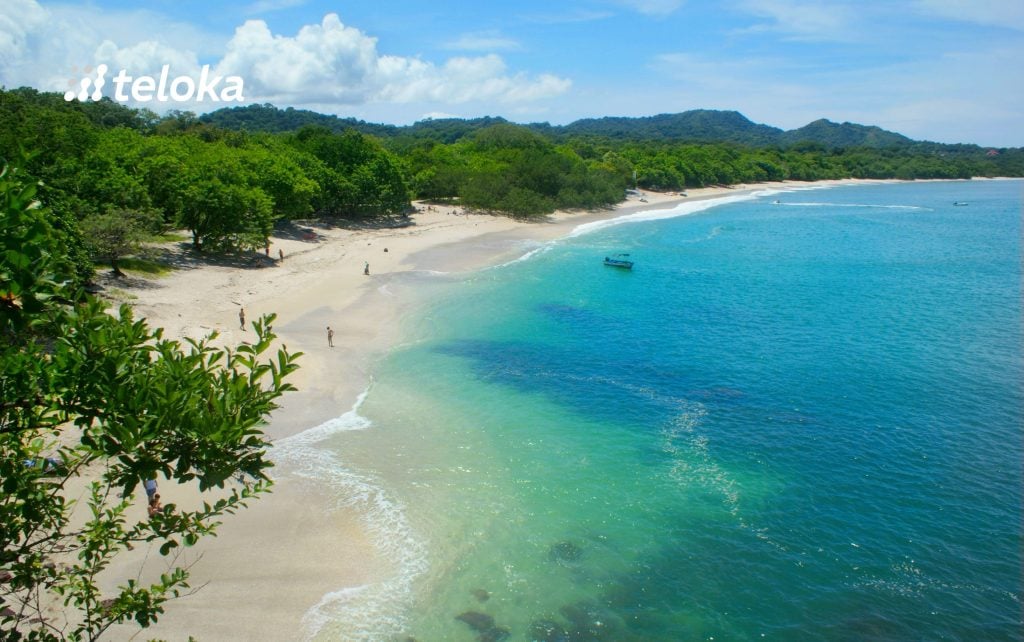
- Tamarindo & Guanacaste: For those seeking sun, surf, and vibrant beach towns, the Guanacaste province on the Pacific coast is ideal. Tamarindo is a bustling hub for surfing lessons, nightlife, and beachfront dining. Other nearby beaches like Playa Conchal and Playa Flamingo offer more secluded options.
- Tortuguero National Park: Accessible primarily by boat or small plane, this unique Caribbean destination is famous for its intricate network of canals and is a crucial nesting site for green sea turtles (seasonal, typically July-October). Boat tours through the canals reveal caimans, monkeys, sloths, and countless birds.
- Osa Peninsula & Corcovado National Park: Often called "the most biologically intense place on Earth" by National Geographic, this remote southern Pacific region offers an unparalleled wilderness experience. Ideal for serious eco-tourists and wildlife enthusiasts seeking pristine rainforests and incredible biodiversity.
- Puerto Viejo & Cahuita: On the Caribbean coast, these towns offer a distinctly different vibe with Afro-Caribbean culture, reggae music, delicious jerk chicken, and a more laid-back pace. Explore Cahuita National Park's coral reefs and observe sloths and monkeys right on the beach.
Getting Around Costa Rica
Getting around Costa Rica is an adventure of its own. Choose the mode of transport that best fits your budget, itinerary, and comfort level.
- Rental Cars: The most flexible option. A 4x4 is recommended since many rural roads are unpaved. Note that mandatory insurance can significantly raise the total cost.
- Buses: Cheap and widespread, but often slow, require transfers, and don’t always follow strict schedules.
- Shuttles (Shared & Private): Shared shuttles offer convenient door-to-door service between tourist hubs at a higher cost than buses. Private shuttles provide even more comfort and flexibility for groups.
- Domestic Flights: The fastest way to cover long distances (e.g., San José to La Fortuna or Tamarindo), though also the most expensive.
- Taxis & Ride-Sharing: Red official taxis use meters; agree on a price for longer trips. Uber operates in major cities but in a legal grey area.
Connectivity Tips
Staying connected in Costa Rica is generally straightforward, allowing you to share your adventures or handle any necessary communications.
- Local SIM Cards: Purchasing a local prepaid SIM card (chip) is highly recommended for data and local calls. Major providers include Kolbi (ICE), Claro, and Movistar. You can buy them at the airport upon arrival, in convenience stores (pulperías), or at official provider stores. Top-ups (recargas) are widely available.
- Wi-Fi: Most hotels, hostels, restaurants, and cafes offer free Wi-Fi. Connectivity speeds can vary, especially in more remote areas.
- Power Adapters: As mentioned, Costa Rica uses the same power outlets (Type A and B) and voltage (110-120V) as the United States and Canada. Travelers from other regions will need a suitable adapter.
- WhatsApp: WhatsApp is widely used in Costa Rica for communication. Many tour operators, hotels, and even individuals prefer it for bookings and inquiries. It's a good idea to have it installed and set up before you go.
By following this guide, you'll be well-prepared to embrace the "Pura Vida" spirit and create lasting memories in the incredible country of Costa Rica. ¡Buen viaje!