
 Algeria
 Benin
Benin Botswana
 Burkina-faso
 Burundi
 Cameroon
 Central African Republic
 Chad
Chad Congo (Democratic Republic of)
 Congo Republic
 Egypt
Egypt Eswatini
 Gabon
Gabon Ghana
Ghana Guinea-Bissau
 Ivory Coast
 Jamaica
 Kenya
Kenya Lesotho
 Liberia
 Libya
Libya Madagascar
 Malawi
 Mali
Mali Mauritius
 Mayotte
 Morocco
 Mozambique
 Niger
Niger Nigeria
 Republic of Rwanda
 Senegal
 Seychelles
 Sierra Leone
 South Africa
 Sudan
Sudan Tanzania
 Tunisia
 Uganda
 Zambia
 Anguilla
 Antigua and Barbuda
 Argentina
 Aruba
Aruba Bahamas
 Barbados
 Belize
 Bermuda
 Bolivia
 Brazil
 Canada
 Chile
Chile Colombia
 Costa Rica
 Curacao
 Dominica
 Dominican
 Ecuador
 El Salvador
 Greenland
 Grenada
 Guadeloupe
 Guatemala
 Guyana
 Haiti
Haiti Hawaii
 Honduras
 Martinique
 Mexico
 Montserrat
 Nicaragua
 Panama
 Paraguay
 Peru
Peru Puerto Rico
 Saint Barthelemy
 Saint Kitts and Nevis
 Saint Lucia
 Saint Martin
 Saint Vincent
 Sint Maarten
 Suriname
 Trinidad and Tobago
 United States
 Uruguay
 Venezuela
 Afghanistan
 Armenia
 Azerbaijan
 Bahrain
 Bangladesh
 Bhutan
 Brunei
 Cambodia
 China
China Dubai UAE
 Georgia
 Hongkong
 India
India Indonesia
 Iran
Iran Iraq
Iraq Israel
 Japan
Japan Jordan
 Kazakhstan
 Kuwait
 Kyrgyzstan
 Laos
Laos Macau
Macau Malaysia
 Maldives
 Mongolia
 Nepal
Nepal Oman
Oman Pakistan
 Palestine
 Philippines
 Qatar
Qatar Saudi Arabia
 Singapore
 South Korea
 Sri Lanka
 Taiwan
 Tajikistan
 Thailand
 Tibet (China)
 Uzbekistan
 Vietnam
 Yemen
Yemen Albania
 Andorra
 Austria
 Azores
 Belarus
 Belgium
 Bosnia and Herzegovina
 Bulgaria
 Corsica
 Croatia
 Cyclades
 Cyprus
 Czechia
 Denmark
 Estonia
 Finland
 France
 Germany
 Gibraltar
 Greece
 Guernsey
 Hungary
 Iceland
 Ireland
 Isle of Man
 Italy
Italy Jersey
 Kosovo
 Latvia
 Liechtenstein
 Lithuania
 Luxembourg
 Macedonia
 Malta
Malta Moldova
 Monaco
 Montenegro
 Netherlands
 Norway
 Poland
 Portugal
 Rhodes
 Romania
 Russia
 San Marino
 Sardinia
 Scotland
 Serbia
 Sicily
 Slovakia
 Slovenia
 Spain
Spain Svalbard and Jan Mayen
 Sweden
 Switzerland
 The Vatican City State
 Turkey
 Ukraine
 United Kingdom
 Wales
Wales Australia
 Fiji
Fiji Guam
Guam Nauru
Nauru New Zealand
 Papua New Guinea
 Saipan
 Tonga
Tonga Vanuatu
 Western Samoa
 Africa
 Africa 6-Country
 Americas
 Caribbean & South America 35-Country
 Latin America 6-Country
 North America 6-Country
 USA & Mexico
 USA Canada Mexico
 Asia
Asia Asia 19-Country
 Asia Pacific 15-Country
 Caucasus Mountains 3-Country
 Central Asia 4-Country
 China Hongkong Macau
 Singapore Malaysia
 Europe
 Balkan Region 12-Country
 Europe 33-Country
 Europe 49-Country
 UK & Ireland
 Global
 Global 108-Country
 Global 156-Country
 Global 45-Country
 Global 87-Country
 Oceania

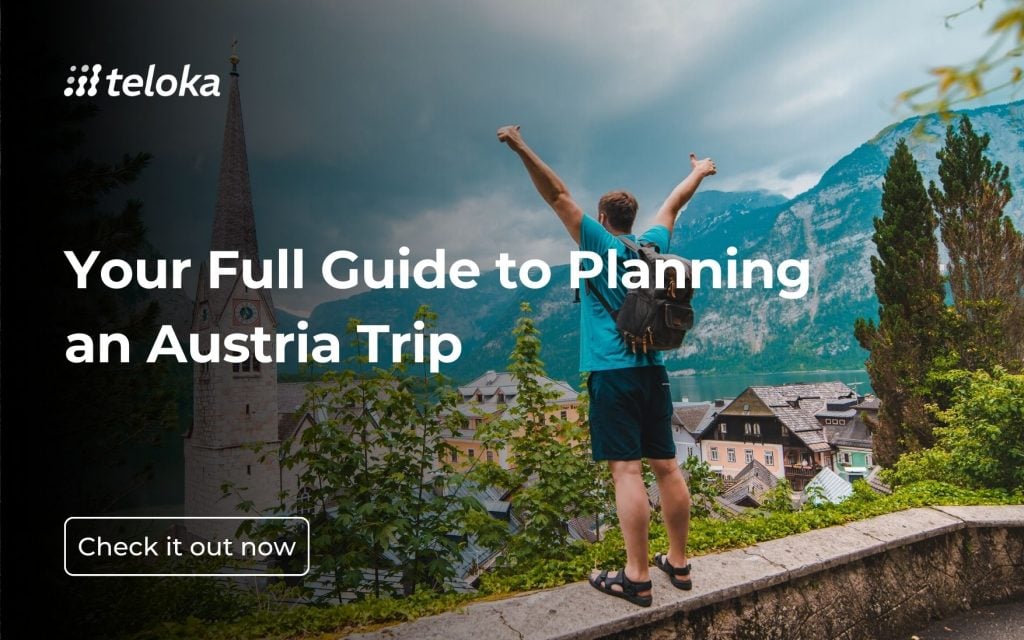
Plan your Austria trip with this guide. Explore Vienna, Salzburg, the Alps, culture, history, and top attractions for an unforgettable journey.
Austria, a gem in the heart of Europe, captivates with majestic Alpine landscapes, imperial history, sophisticated cities, and rich cultural heritage. From Mozart’s classical melodies in Salzburg to Vienna’s opulent palaces and the dramatic Tyrolean Alps, Austria offers diverse experiences for every traveler. This guide helps you plan an unforgettable journey to this enchanting country.
Top Things to Do in Austria
Austria's allure lies in its blend of natural beauty and rich cultural tapestry. Top experiences to try:
- Explore Imperial Vienna: The capital is full of history and culture. Visit Schönbrunn Palace and gardens, the Hofburg Palace, and St. Stephen's Cathedral. Don’t miss Naschmarkt or a ride on the Prater’s Riesenrad.
- Immerse Yourself in Salzburg's Charm: Mozart’s birthplace and the setting of The Sound of Music , Salzburg features an enchanting old town, Hohensalzburg Fortress, Mirabell Gardens, and baroque architecture.
- Discover Innsbruck in the Alps: Surrounded by mountains, Innsbruck is perfect for outdoor enthusiasts. See the Golden Roof, Hofkirche, and take a cable car up Nordkette for panoramic views.
- Visit Hallstatt: This lakeside village, a UNESCO World Heritage site, offers charming streets, boat trips on Lake Hallstatt, and an ancient salt mine.
- Hike or Ski in the Austrian Alps: Summer hiking and biking or winter skiing and snowboarding—Tyrol and Vorarlberg provide endless adventure and stunning scenery.
- Experience Austrian Coffee House Culture: Indulge in a Melange or Einspänner with Sachertorte or Apfelstrudel in a classic Viennese café.
What to Eat in Austria
Austrian cuisine is hearty, flavorful, and deeply rooted in tradition. Get ready for a mouthwatering culinary adventure!
- Wiener Schnitzel: The undisputed national dish, typically a thin, breaded, pan-fried cutlet of veal (though pork or chicken versions exist).
- Sachertorte: A world-famous chocolate cake, invented in Vienna, featuring layers of dense chocolate cake, apricot jam, and a dark chocolate glaze. The original is served at Hotel Sacher.
- Apfelstrudel: A classic dessert, featuring thinly sliced apples, cinnamon, sugar, and raisins wrapped in a thin, flaky pastry.
- Tafelspitz: Boiled beef served with horseradish, chive sauce, and root vegetables, a favorite of Emperor Franz Joseph I.
- Käsespätzle: The Austrian version of mac and cheese, these soft egg noodles are tossed with cheese and often topped with crispy fried onions.
- Goulash: A rich, savory stew, typically made with beef, onions, and paprika, often served with a bread dumpling.
- Würstels: Sausages are a staple of Austrian street food. Try a Käsekrainer (sausage with cheese) or a Frankfurter from a Würstelstand.
- Kaiserschmarrn: A fluffy, shredded pancake often served with fruit compote (apple or plum) or powdered sugar.
- Coffee: Indulge in the diverse world of Austrian coffee – from a simple Espresso to a creamy Melange (similar to a cappuccino) or an Einspänner (espresso with whipped cream).

Guide to Internet Access in Austria
Staying connected in Austria is generally easy and affordable, ensuring you can navigate, share your experiences, and keep in touch.
- Wi-Fi: Free Wi-Fi is widely available in hotels, cafes, restaurants, and many public areas, particularly in cities.
- Local SIM Card: For reliable and cost-effective data and calls, consider purchasing a local prepaid SIM card upon arrival. Leading networks consist of A1, Magenta (T-Mobile), and Drei. You'll need an unlocked phone and your passport for registration. Prices are generally competitive for data packages.
- eSIM: If your device is eSIM-compatible, it offers a convenient way to stay connected. Services Teloka allows you to purchase and activate a data plan for Austria digitally before you even arrive.
- International Roaming: Check with your home mobile provider about international roaming packages. While convenient, these can often be more expensive than local SIM cards or eSIMs.
- Portable Wi-Fi Hotspot: You can rent portable Wi-Fi devices, which are useful if you're traveling with multiple people or devices that need internet access.
Travel Budget & Smart Tips for Austria
Planning your budget and knowing a few smart tips can enhance your Austrian adventure.
- Currency: Austria’s currency is the Euro (€). Credit cards are widely accepted, especially in larger establishments, but it's always good to carry some cash for smaller purchases, markets, or in more rural areas.
- Accommodation: Prices vary widely depending on the city, season, and type of accommodation.
- Budget: Hostels, guesthouses (Gasthöfe), and budget hotels. Expect to pay €30-€70 per night.
- Mid-Range: Comfortable hotels, B&Bs. Anticipate spending around €70–€150 per night.
- Luxury : Upscale hotels and resorts. Expect €150+ per night.
- Book well in advance, especially for peak seasons (summer, winter holidays, major festivals).
- Food Budget:
- Budget: Supermarkets for groceries (€5-€10/meal), street food like Würstels (€4-€7), "Mittagsmenü" (lunch specials) at restaurants (€10-€18).
- Mid-Range: Dining at local restaurants (main course €15-€25).
- High-End: Fine dining experiences (€50+).
- Transportation Budget:
- Inter-city: Train tickets can range from €20-€60+ depending on distance and booking time. Consider an Austria Pass (rail pass) if you plan extensive train travel.
- Intra-city: Single tickets in Vienna are around €2.40, and a 24-hour pass is around €8.
- Activities Budget: Many attractions have entrance fees ranging from €10 €30. Look for city passes (e.g., Vienna Pass, Salzburg Card) which offer free entry to attractions and public transport for a set period. Many museums provide free admission on select days or for specific age groups.
- Tipping: Tipping is customary in Austria for good service. For restaurants and taxis, rounding up the bill or adding 5-10% is appreciated. For hotel staff, €1-€2 per service is standard.
- Best Time to Visit:
- Spring (April–May): Mild temperatures, smaller crowds, and vibrant blooming scenery.
- Summer (June-August): Warm weather, ideal for hiking, lake activities, and festivals. Expect larger crowds and higher costs.
- Autumn (September-October): Crisp air, vibrant fall foliage, good for city breaks and hiking.
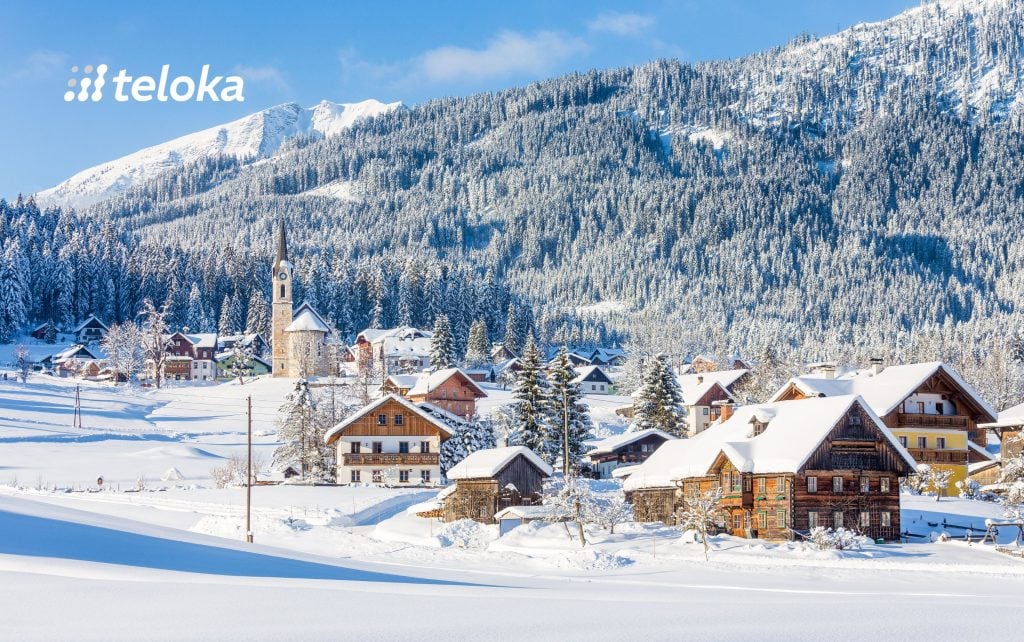
- Winter (November-March): Perfect for skiing, snowboarding, and visiting magical Christmas markets (late November-December).
- Safety: Austria is generally a very safe country with low crime rates. However, exercise standard precautions against pickpocketing in crowded tourist areas.
- Power Adapter: Austria uses Type F (Schuko) or Type C electrical outlets, with a standard voltage of 230V and a frequency of 50Hz. You'll need a universal travel adapter.
With this comprehensive guide, you're well on your way to planning an incredible and memorable trip to the heart of Europe. Enjoy the stunning landscapes, rich history, and warm hospitality of Austria!